
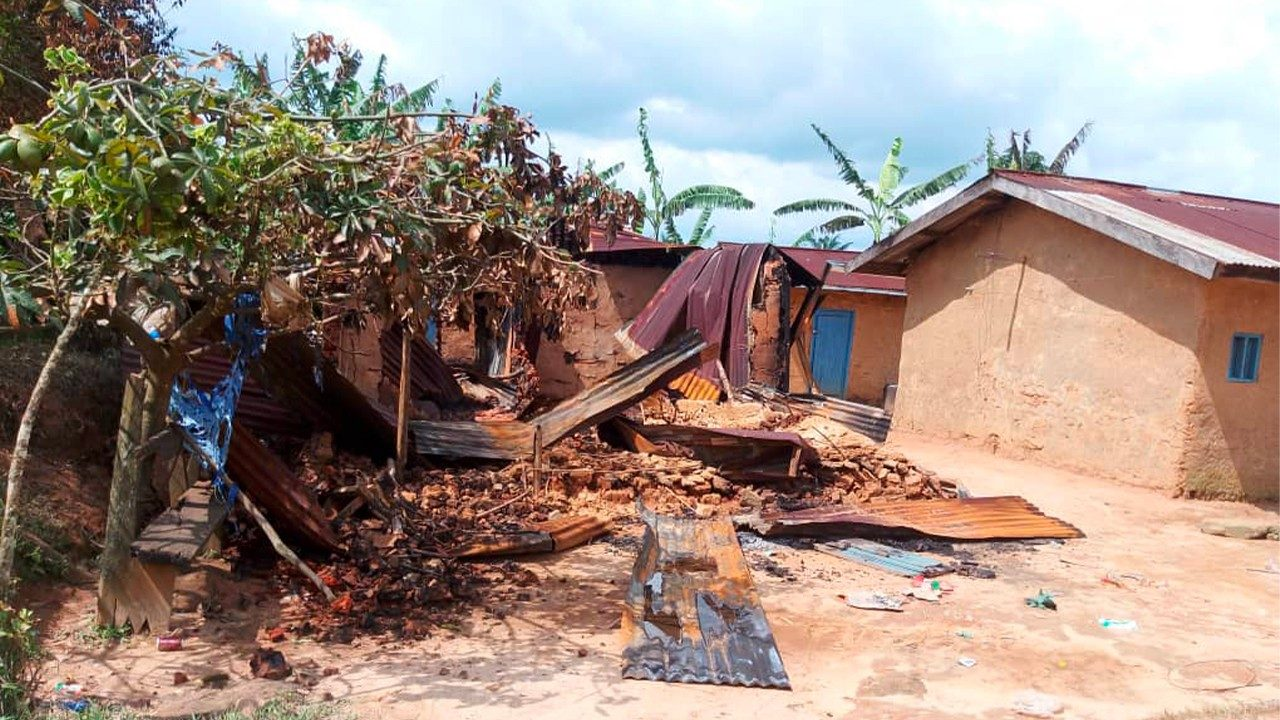

Although it’s been a breath of fresh air to crawl out from the rock I was living under for so long, learning about the devastation people in DRC experience on a daily basis, has been a difficult reality to come to terms with. My interest in this topic initially sparked via social media as I watched groups of men, women, and children struggle to obtain basic physiological necessities. I found it imperative to undergo a deep dive into the history of the DRC and where this crisis began. What started as a belief that the violence taking place was somewhat new and only recent, quickly changed. Let’s build a timeline:
Rwandan Genocide (1994)
First Congo War (1996-1997)
Kabila-Kagame Coalition Wins War (1997): Kabila became president of Zaire and changed the country’s name back to The Democratic Republic of Congo
Second Congo War (1998)
Laurent Kabila was assassinated (2001)
Second Congo War ended (2002) This war is associated with over three million people
Peace Agreements Underway (2002-2003)
Joseph Kabila inaugurated (2006)
In the early 2000’s, a well known rebel group called M23 (March 23 Movement) emerged. This group consisted of ethnic Tutsis
The UN Security Council approved an uncommon offensive brigade under the mandate of the UN Organization Stabilization Mission in the DRC (MONUSCO) to support the Congolese army in its fight against M23 (2013)
M23 called off its initial campaign (2013)
Félix Tshisekedi was declared the DRCs new president (2019)
Chinese nationals were among the casualties of a robbery conducted by a militant group at a mining company convoy (2023) Note: China and the DRC have maintained a military and economic relationship throughout the years.
Testimony of child labor and other illegal practices provided to a U.S. Congressional Human Rights Commission (2022)
M23 resurfaced after five years of inactivity (2022)
M23 gained control of many parts of North Kivu (2023)
UN Special Envoy to the Great Lakes Region Xia Huang warned that tensions between the two countries could lead to an open military confrontation (Oct 2023)
U.S. organized pact developed to jointly minimize the military presence near the border and desist from attempts to affect one another’s political systems (Nov 2023)
Since then, conflict has continued and heightened. The Congolese military and residents of eastern DRC continue to suffer due to increasing attacks by the Islamic State-affiliated Allied Democratic Forces (ADF). DRC’s relations with Rwanda, Burundi, and Uganda remain fragile. Since the beginning of 2024, 358,000 people have been displaced. The UN has confirmed a 30% increase in violations against children and over 23 million people suffer from food insecurity.
The ADF premeditated an attack on a Catholic parish in the Eastern Democratic Republic of Congo where at least 64 people were slaughtered. This group has disproportionately targeted Christians. A few months ago, in Ituri, 34 Christians were murdered. In July of this year, the group slaughtered dozens as they attended a night vigil at a Catholic Church in Komanda. In February, over 70 people were discovered with their hands bound and their heads severed in a Protestant Church in Lubero.
There was a point in my life, just a few years ago, that I lived in a bubble; unaware of what was going on around me….around the world. Lately, it has become evident that people are complacent when it comes to murder and genocide as long as it’s not happening to people they align with politically and religiously. I long for the days when we were a society with a moral compass.